This CAT assignment had an interesting interplay between the discussion of mental illness and architecture. We had visited Sir John Soane’s museum to look at the series of artworks by Hogarth called “A Rake’s Progress”. The series depicted the progression of a middle class man who inherited and married into money, lost all his wealth because he didn’t care about it, became mentally ill, and ultimately admitted into a “mad house”. This painting set an interesting context to the buildings we visited in the assignment. One specific aspect of the series was the presence of the upper class in the mental institution; Hogarth was describing how the elite went to the asylums where the ill were chained up and tortured for entertainment, both alienating and normalizing the very real issues with the mentally ill patients present. This idea in the painting reminded me of the idea of normalizing the stigma around mental illness through the reformation of the purpose of the space.

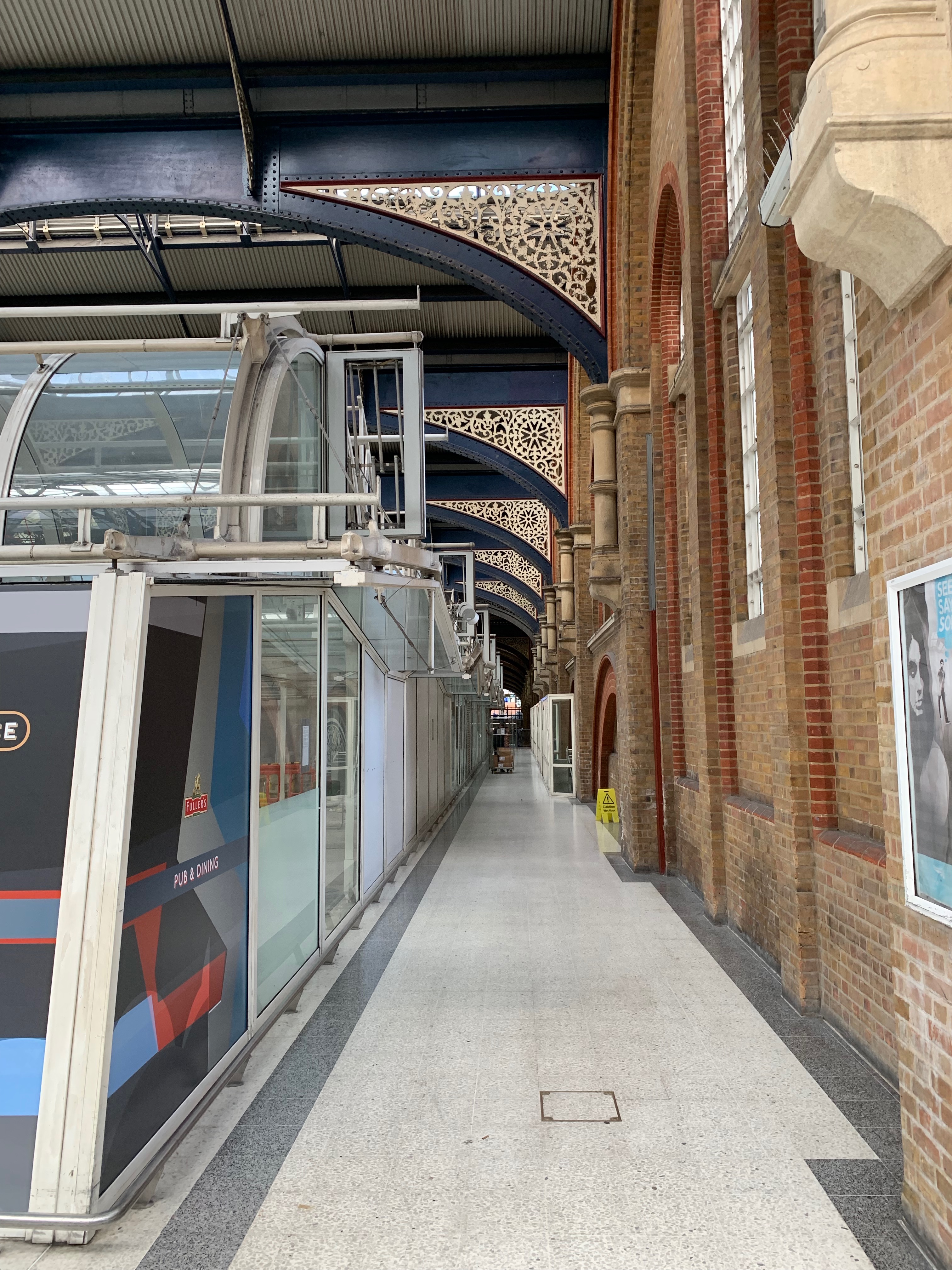
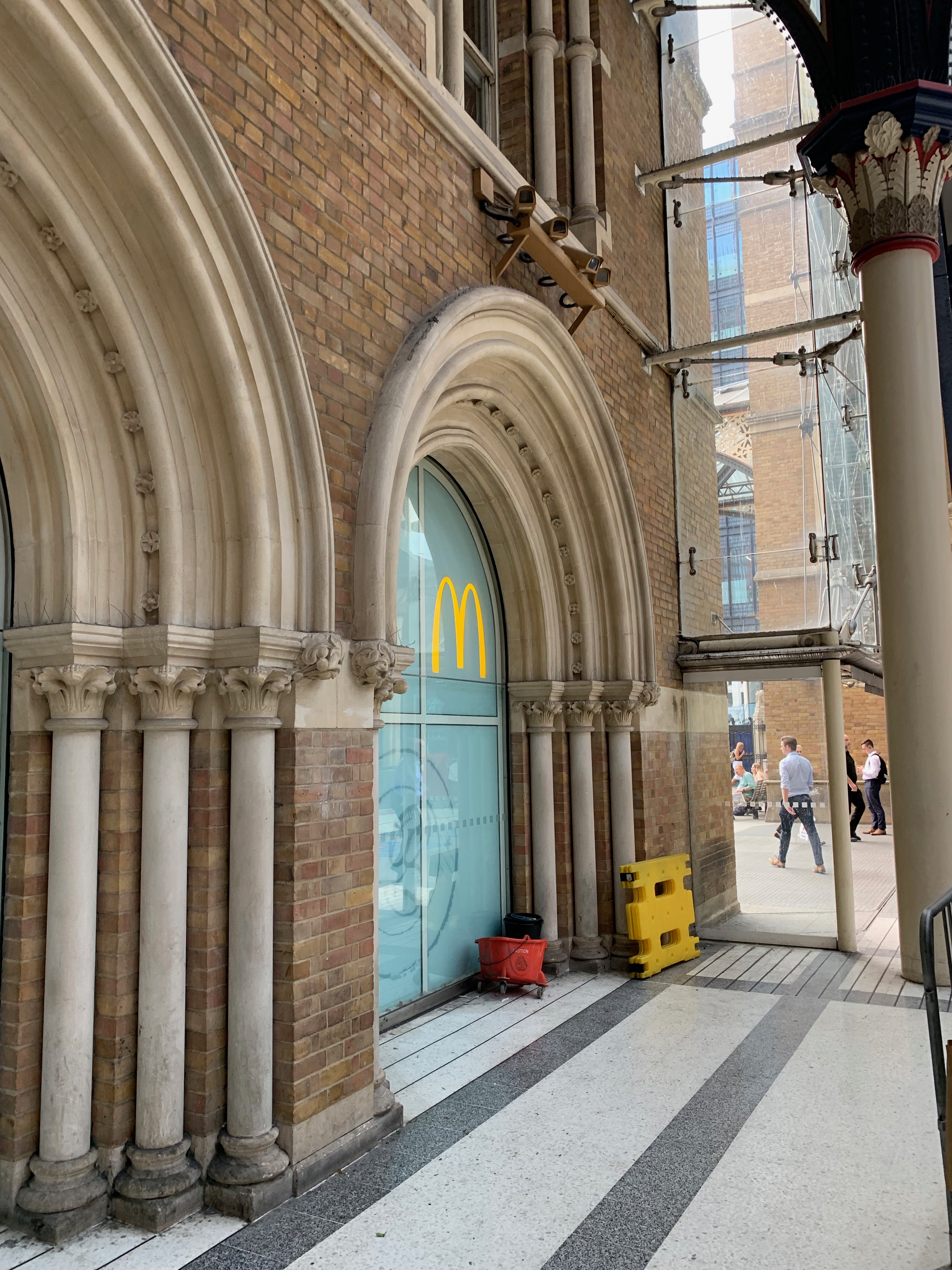
We visited multiple sites but the Liverpool train station stood out to me the most and I wanted to look into the thought process behind it further. The Liverpool Street Station area was one of these reformations of a mental institution. Upon entering the station area, I was confused by the difference in architecture. The building was a combination of metal pillars, mirror ceilings, and intricate brickwork combined with the contemporary architecture of the subway station. The building’s ceilings were very high and the station filled an extremely open space. The combination of past and present showed itself in an interesting way. I had seen a McDonalds at the station, which is pretty normal. But, the “M” insignia was imprinted into the glass of the brick facade of the building. Overall, it was very bright and clean; small store lined the walls of the building.
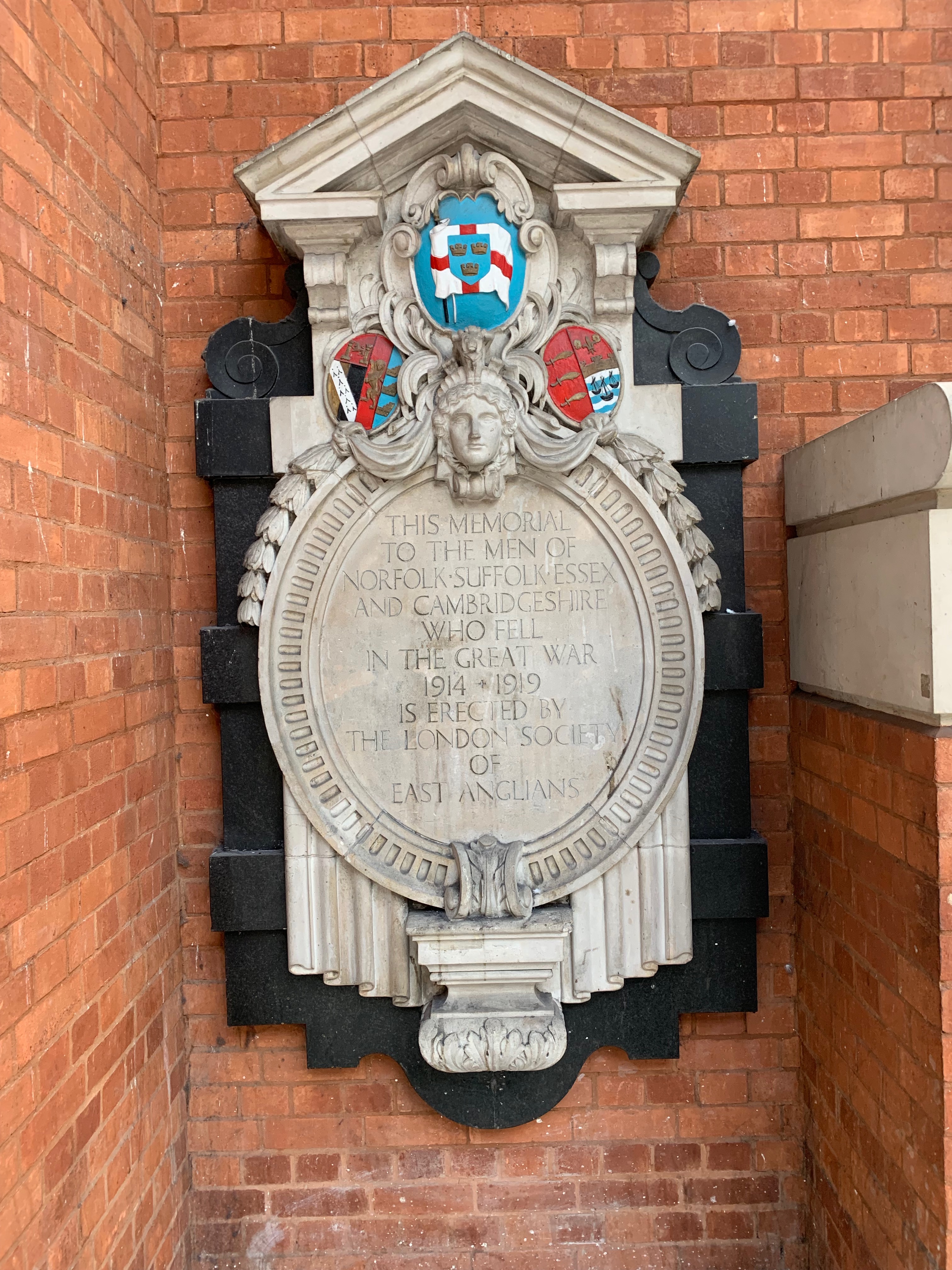

There were some indirect instances of the building’s history of erasure. While walking around the very busy station full of people running from stop to stop, I saw a plaque erected in honor of the veterans and sacrifices of the soldiers during World War I. There were red plastic wreaths of flowers on the floor of the sign. What was interesting was how the wreaths had notes written on them but they were all covered with dust. This, in reflection, described two things. One was that the history of the mental institution was replaced by the martyrdom of WWI and even that commemoration was collecting dust in the corner of the station. In Ackroyd’s text The City as Body, he discussed how “whether we consider London as a young man refreshed as risen from sleep, therefore, or whether we lament its condition as deformed giant, we must regard it as a human shape with its own laws and growth.” The history of the train station and its multiple purposes through time demonstrate the fluidity of the city as well as the change through erasure. The meaning or value of whatever was the past use of the building becomes equivalent to a plaque blocked by stores and respect covered in dust. This is even more relevant to the mental institute that the train station was built from. We had to find a plaque of the mental institute but it is only known because of its obscurity.
The act of erasure functions superficially to progress society yet on a deeper level it functions to create a method of entertainment. The function of the shops in the station profits off of both the function of the space and the aesthetic history the building’s facade holds. Though this specific case discusses the stigma of mental illness and how discussing even its history is taboo, the idea of progress and erasure is interesting. We have destroyed the past to change the future, shown especially in the space we inhabit. It all begs the question of how we can balance the celebration of the past and the reinvention of the space for the future. I felt like the train station and other buildings visited in this assignment rejected the past pertaining to mental illness. Yet, there is so much back home which functions in the same flawed system of memorialization of only the positive to either further a capitalist regime or a nationalistic outlook. Hopefully we can work to better respect the history lost within the process of progress.
 Ananth Abroad